Written by Eleanor Howe, Tingwall
Local governments face mounting pressure to do more with less – delivering both essential and emerging services while managing financial constraints and rising community expectations. Over the past 12 months, we have explored this issue extensively through council planning deliberations that focused on how councils can make responsible financial choices that deliver the greatest value.
This challenge, along with others, is reflected in the recent Inquiry into Local Government Funding and Services. The report highlights the significant pressures Victorian councils are under – the need to meet community expectations while maintaining long-term financial sustainability. Much of the feedback focuses on the limits imposed by rate capping and the burden of cost shifting from other tiers of government onto local government.
One of my key reflections is that councils are constrained in how they raise revenue, which in turn limits their ability to fund the growing range of services they are expected to deliver.
What really interests me is how communities form expectations about what councils should provide and how councils can manage those expectations when resources are limited, and every investment requires careful, strategic consideration.
Community expectations of local government have evolved. Councils now provide far more than the traditional “roads, rates and rubbish.” Councils are expected to advocate for their communities, shape local identity and culture, and fill service gaps left by market failure. This expansion in role and responsibility reflects what communities tend to value, but it also intensifies the strain on already stretched council budgets.
There’s strong consensus that communities should be at the centre of decision-making. What’s encouraging is that communities want to be part of these conversations. In fact, they expect it. They want to see their council invest wisely and transparently in programs and services.
While I wholeheartedly agree that communities should be involved in conversations about services, after all, they are the ones who use and pay for them, the real challenge is how to do so effectively. How to create opportunities for meaningful engagement that explore whether services, including their levels and quality, meet community expectations.
Before the community is engaged, organisations need to be prepared to have these crucial conversations. It’s not just about having the right tools or frameworks. It’s also about building internal readiness and a shared understanding, focusing on why these conversations matter and how the community can collaborate with councils to achieve better outcomes for the entire municipality.
Engaging with your communities about services, service levels, and trade-offs is more than ticking off on the requirements of the Local Government Act. It’s early engagement that’s inclusive, that seeks to understand needs and priorities and transparently discusses trade-offs (e.g. between cost, equity, and service levels). What this means is that council’s services are shaped by lived experience, local knowledge, and ongoing dialogue. It’s crucial to create opportunities to engage the community in ways that lead to more equitable and trusted outcomes. When done well, it helps build legitimacy and trust, especially when difficult choices must be made.
We’ve developed a structured approach that guides councils through three key steps. Each step is designed to support internal alignment, foster community trust, and ensure councils are equipped to navigate complexity with clarity and confidence.
The first step is creating a comprehensive service catalogue. The catalogue ensures that everyone across the organisation has a consistent understanding of what constitutes a service, why it’s delivered, whom it benefits, and how it’s funded.
The catalogue sets the foundation for all future discussions by defining the scope, language, and expectations, thereby reducing confusion.
With a shared understanding in place, the next step is deciding which services need to be reviewed or reconsidered. This internal discussion might include:
This is also the stage to map engagement milestones which means deciding when the community will be engaged, why and how. Early planning here ensures that engagement is timely, meaningful and proportionate.
Engagement with community and key stakeholders will depend on the outcome of step 2, the nature of the services in question, and the council’s engagement policy.
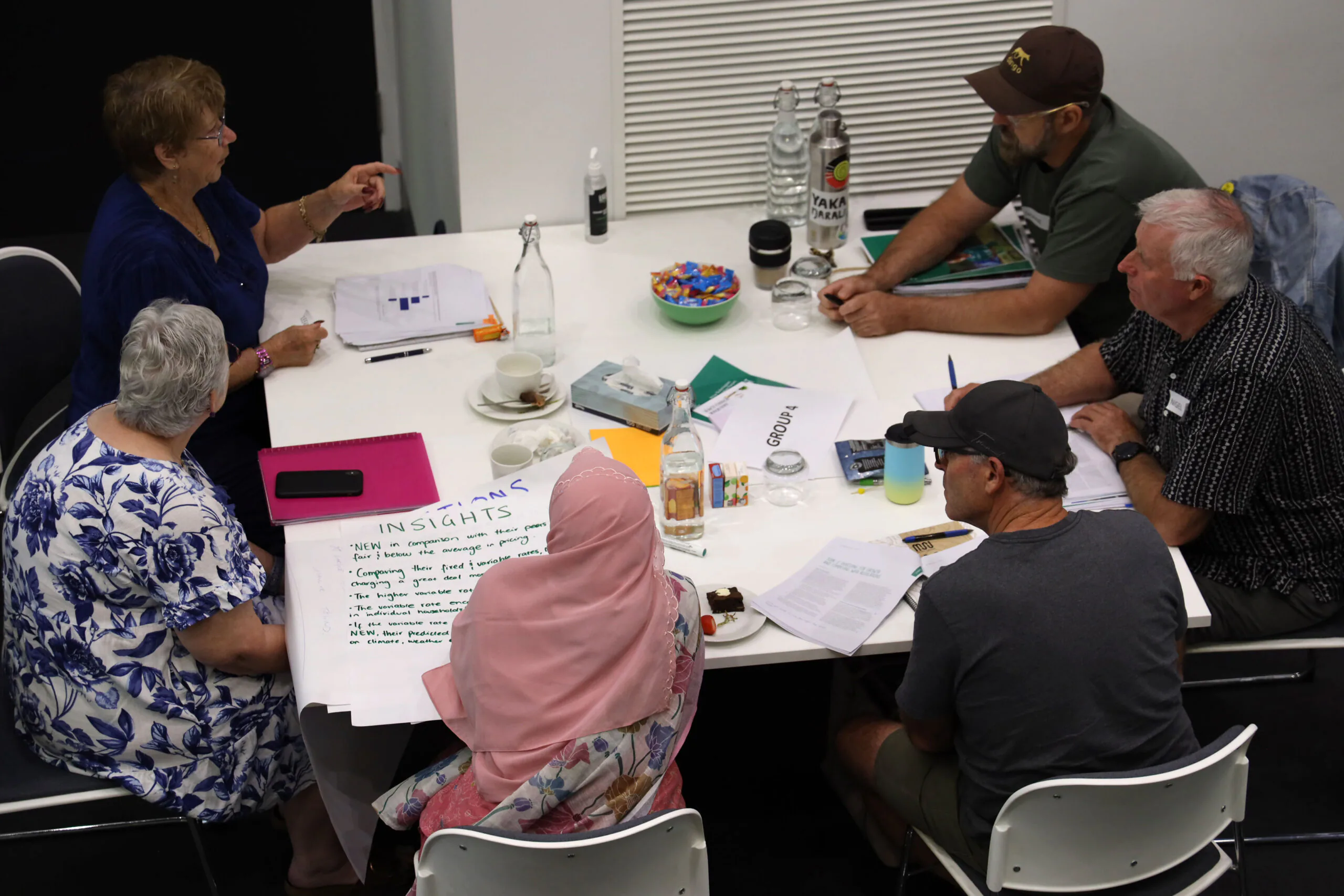
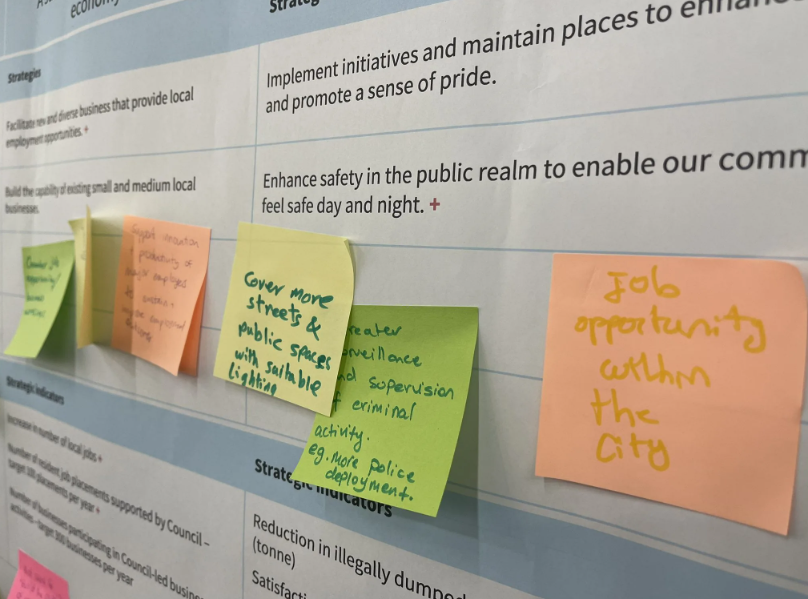
It’s essential that all voices, especially those most impacted, are included in the conversation. Engagement methods should align with the engagement objectives and be tailored to suit the needs of the community. Some techniques include:
We can support you in securing investment and commitment from the entire organisation through early buy-in and ownership from your internal stakeholders. We can help you achieve informed and balanced information so you can best decide how to allocate limited resources effectively. We:
Get in touch to explore how we can tailor these solutions to your council’s unique challenges and help you drive lasting impact.