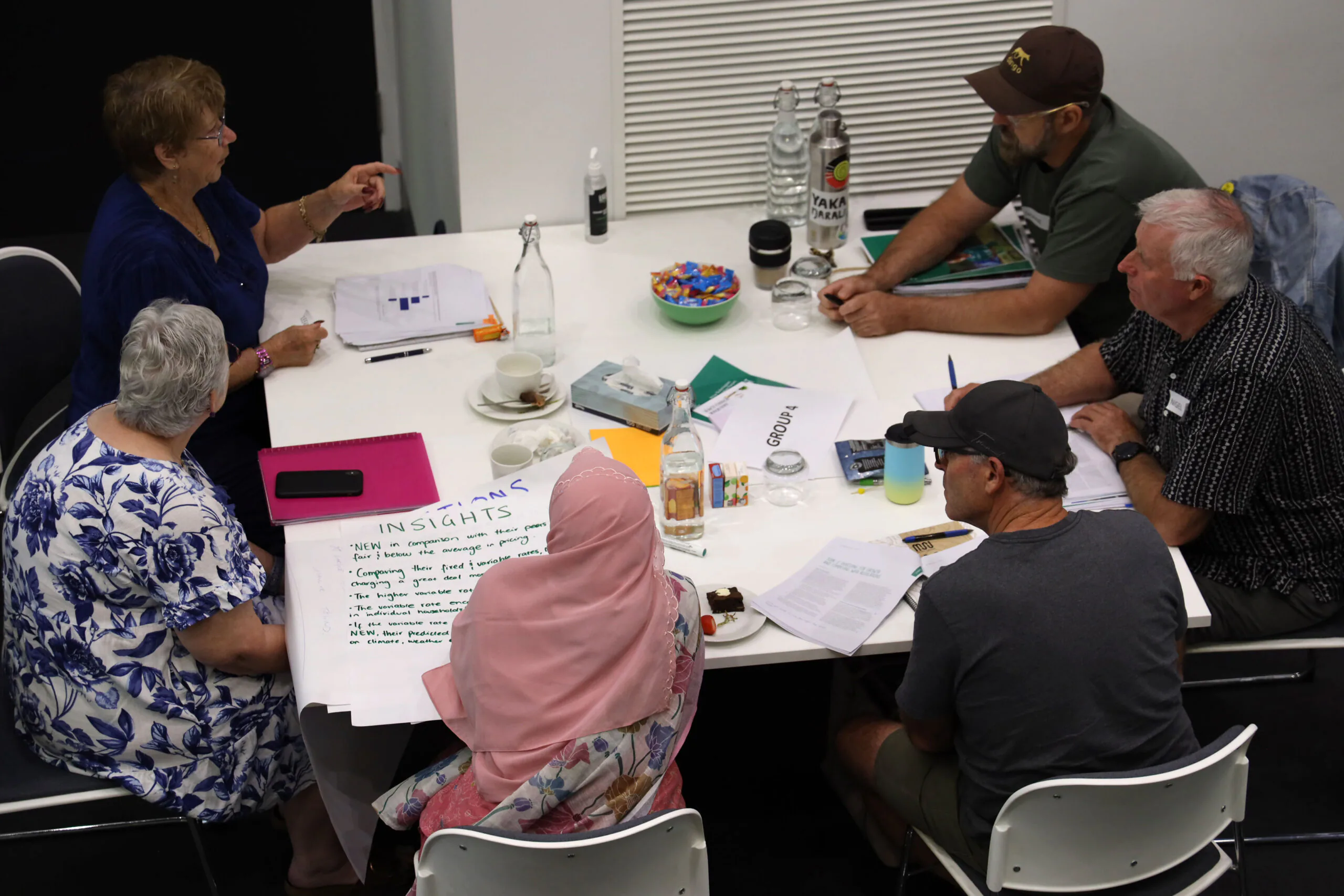
In 2020-2021, many Victorian local councils grappled with the major reform of the Local Government Act 2020 that introduced the requirement for deliberative engagement to be undertaken before the Council Plan, Community Vision, Financial Plan and Asset Plan could be adopted.
Victorian Councils are once again turning their minds to how they can develop these key strategic documents in accordance with their deliberative engagement practices.
To help you get ready for this next stage of community engagement, we have prepared our top eight tips for councils to consider when planning for deliberative engagement.
We see three key stages to great deliberative engagement processes:
Our top eight tips for each stage are:
1. Don’t ask the same questions you have asked before – test the ideas and priorities shared by your community. We recommend using the data and insights you’ve collected during your previous engagement processes (when you last developed your key strategic documents and other engagements since) as a starting point.
2. No one will come to the party if they don’t know it’s happening. We suggest advertising the recruitment opportunity through existing channels and networks to ensure you have a good representation of the community. Consider inviting some of your previous community panel members to join. These community members are your assets and critical friends, and they already understand how your council operates.
3. Empower the community to want to engage in meaningful discussions and contribute to positive change. You will need a clear and purposeful ‘problem statement’ – one that that resonates with the community and key organisational stakeholders – that defines the challenge that council is looking to solve, as well as what can and can’t be influenced as part of the deliberation.
4. Ensure everyone has a clear understanding of their roles. We suggest providing a panel guidebook to help build a shared understanding of the deliberative process. This typically includes information about what panel members can expect from participating in the process, the topic areas they will be focusing on, the promise being made by council, and an overview of each session.
5. Recognise that people have different learning needs. Successful deliberations are underpinned by a good understanding of community needs, an appreciation that people learn in different ways, and progress at different paces. Your processes should build the capacity and knowledge of all participants to help them make effective decisions.
6. Give people space and time to digest new information and work through complex matters. Your engagement processes should allow ample time for participants to learn, explore the depth of the issues, weigh up the evidence, provide different views, and to make informed recommendations.
7. Measure and evaluate the process so you know what worked well and what can be improved for next time. We recommend asking the panel to complete a pre-event survey and post-event survey to assess their knowledge and perceptions of council, and to gather feedback on their experience and the overall process.
8. Demonstrate how views have been considered. An outcomes report should be developed and shared with everyone at the end of your deliberation. This is to help panel members, council and the wider community understand what was discussed, what the outcomes were, and how the recommendations will be used.
We understand that deliberative engagement isn’t a one-size-fits-all approach. The Tingwall deliberative team can work with you to customise the right approach to suit the needs or your organisation and your community.
Local government is one of Tingwall’s specialist industry sectors. We have a dedicated team that understands the challenges and priorities faced by councils.